Source casting metal truck components for chassis, engine, and suspension
Find 30 verified options for casting metal truck components including aluminum and steel parts. Buyers can compare CNC machining, die casting methods, and surface treatments to match specific hardware and machinery requirements.
Key considerations
Products List




Comprehensive Sourcing Guide
Strategic Sourcing Guide for Casting Metal Truck Components
The global automotive logistics sector relies heavily on the integrity and precision of truck components, where casting metal parts serve as foundational elements for chassis, engine blocks, transmission housings, and structural brackets. Sourcing these components requires a rigorous understanding of manufacturing processes, material science, and supply chain logistics. Buyers must navigate a complex landscape where the distinction between different casting methods, such as die casting versus gravity casting, directly impacts the final product's performance and cost-efficiency. This guide provides a structured approach to evaluating suppliers and specifications for casting metal truck components, ensuring that procurement decisions are grounded in verifiable technical data and industry standards.
Understanding Casting Methodologies and Process Selection
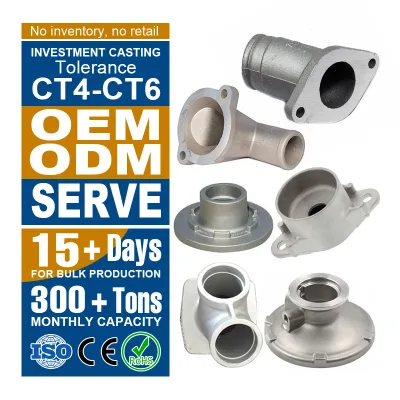
The selection of the appropriate casting method is the primary technical decision in sourcing truck components. The supply data indicates a diverse range of available processes, including Cold Chamber Die Casting, Soluble Die Casting, Gravity Casting, Low Pressure Casting, and Investment Casting. Each method offers distinct advantages depending on the complexity of the part and the required production volume.
Cold Chamber Die Casting is frequently utilized for high-volume production of aluminum components, offering excellent dimensional stability and surface finish. In contrast, Gravity Casting and Low Pressure Casting are often preferred for larger, more complex structural parts where internal porosity must be minimized. The data also highlights the availability of Soluble Die Casting, a specialized technique often used for creating complex internal geometries that are difficult to achieve with standard methods. Furthermore, Precision Casting and Investment Casting are noted for their ability to produce intricate shapes with tight tolerances, suitable for high-performance engine or transmission applications.
Buyers must align the casting method with the specific application requirements. For instance, while die casting offers speed and repeatability, gravity casting may provide superior mechanical properties for load-bearing truck parts. The observed data confirms that manufacturers often offer multiple process options, allowing for customization based on the specific alloy and design constraints.
Material Specifications and Alloy Selection
Material selection is critical for ensuring the durability and safety of truck components. The available supply chain data points to a variety of base materials, including Aluminum, Stainless Steel, and Alloy Steel. Aluminum alloys such as A380, Zl101, A356, ADC12, and Alsi7mg are prominently featured, reflecting their widespread use in the automotive industry due to their favorable strength-to-weight ratio.
The choice of alloy directly influences the casting process and the final mechanical properties. For example, A380 is a common choice for die casting, offering good fluidity and corrosion resistance. However, for applications requiring higher strength or specific heat treatment capabilities, Alloy Steel or Stainless Steel may be necessary. The data indicates that mechanical properties and chemical composition are often determined by the customer's drawing specifications, suggesting a high degree of customization in material selection.
Buyers should verify that the supplier can provide detailed chemical composition reports and mechanical property data sheets that align with the specific demands of the truck component. The ability to source specific alloys like A356 or ADC12 is a key indicator of a supplier's capability to meet diverse engineering requirements.
Technical Tolerances and Surface Quality Standards
Precision is paramount in truck component manufacturing, where even minor deviations can lead to assembly failures or reduced vehicle lifespan. The observed data specifies casting tolerances ranging from CT4-6 for A380 Aluminum Die Casting Housing Parts to CT5-CT7 for general precision casting applications. Additionally, machining tolerances are noted as tight as +/-0.01mm, indicating a high level of post-casting precision.
Surface quality is another critical factor. The data lists surface preparation methods such as Polishing and surface treatments including Anodizing, Painting, and Powder Coating. Surface roughness values are specified as Ra3.2, which serves as a benchmark for finish quality. For truck components exposed to harsh environments, the choice of surface treatment is vital for corrosion resistance and aesthetic longevity.
Buyers must ensure that the supplier's quality control protocols can consistently meet these tolerance grades. The availability of Metallographic Analysis and Full-Process Quality Inspection suggests that reputable suppliers employ rigorous testing to verify internal integrity and surface quality. It is essential to confirm that the supplier can demonstrate compliance with these specific tolerance ranges and surface roughness values through documented test results.
Compliance, Certification, and Quality Assurance
Navigating the regulatory landscape is a non-negotiable aspect of sourcing truck components. The supply data confirms that many manufacturers hold ISO 9001 certification, a standard that validates the supplier's quality management system. This certification is a baseline requirement for ensuring consistent product quality and process control.
Beyond general quality management, specific certifications such as RoHS and CE are mentioned in the context of casting surface quality levels. These certifications indicate compliance with environmental and safety regulations, which are increasingly important in the global automotive market. The data also references DIN standards, suggesting that some components may be manufactured to meet specific German industrial standards, which are often adopted as benchmarks for high-quality engineering.
Quality assurance processes are highlighted as a key differentiator. The availability of Full-Process Quality Inspection and the ability to conduct Metallographic Analysis demonstrate a commitment to detecting defects early in the production cycle. Buyers should verify that the supplier's quality assurance protocols cover the entire manufacturing chain, from raw material inspection to final packaging.
Cost Drivers and Procurement Parameters
Understanding the factors that influence cost is essential for effective budget management. The observed price range in the market spans from 0.1 to 100,000 USD, reflecting the vast difference between small hardware components and large structural housing parts. The Minimum Order Quantity (MOQ) varies between 1 and 1000 units, offering flexibility for both prototype development and mass production.
Lead times are a significant cost driver, with the data citing a specific lead time of 45 days for A380 Aluminum Die Casting Housing Parts. This duration can vary based on the complexity of the part, the chosen material, and the current capacity of the foundry. Customization options, such as OEM/ODM services and the ability to work from customer-provided 2D and 3D drawings, add value but may also impact the timeline and cost.
Packaging requirements also play a role in logistics costs. The data indicates options ranging from Multilayer Wooden Boxes and Pallets to Carton Boxes with Wooden Pallets. The weight of the components, ranging from 0.005kg to 20kg, further influences shipping costs and handling requirements. Buyers should negotiate terms that account for these variables to optimize their total cost of ownership.
Supplier Evaluation and Long-Term Partnership
Selecting the right supplier involves more than just comparing prices; it requires a holistic evaluation of the supplier's capabilities and reliability. The data indicates that suppliers are located in China, with specific mentions of Zhejiang as a manufacturing hub. This concentration of industry expertise suggests a mature supply chain with access to specialized talent and equipment.
Key evaluation criteria should include the supplier's ability to handle complex-shaped parts, their experience with specific casting methods, and their track record with customization. The availability of Customized Drawing services and the ability to tailor mechanical properties and chemical compositions to specific requests are strong indicators of a supplier's flexibility and technical depth.
Long-term procurement considerations should focus on the supplier's capacity for scaling production and maintaining quality consistency. The presence of Quality Assurance protocols and the ability to perform detailed inspections are crucial for building a sustainable supply chain. Buyers should also consider the supplier's responsiveness to design changes and their ability to manage lead times effectively during peak demand periods.
Comparative Overview of Casting Capabilities
To facilitate decision-making, the following table summarizes the key technical attributes observed in the supply data, highlighting the diversity of capabilities available to buyers.
| Attribute Category | Observed Capabilities & Specifications |
|---|---|
| Casting Methods | Cold Chamber Die Casting, Soluble Die Casting, Gravity Casting, Low Pressure, Investment Casting |
| Primary Materials | Aluminum (A380, Zl101, A356, ADC12, Alsi7mg), Stainless Steel, Alloy Steel |
| Tolerance Grades | Casting Tolerance CT4-6 (A380), CT5-CT7 (General), Machining +/-0.01mm |
| Surface Treatment | Polishing, Anodize, Painting, Powder Coating |
| Surface Roughness | Ra3.2 |
| Certifications | ISO 9001, RoHS, CE, DIN Standards |
| Lead Time | Approximately 45 Days for specific housing parts |
| MOQ Range | 1 to 1000 Units |
| Weight Range | 0.005kg to 20kg |
| Customization | OEM/ODM, Custom Drawings (2D/3D), Material/Property Requests |
This overview underscores the breadth of options available in the market. Buyers can leverage this diversity to find suppliers that match their specific technical requirements, whether they need high-volume die-cast aluminum parts or custom investment-cast steel components. By carefully evaluating these attributes against project needs, procurement teams can make informed decisions that balance cost, quality, and delivery performance.
Final Procurement Considerations
The sourcing of casting metal truck components is a multifaceted process that demands a deep understanding of manufacturing technologies and supply chain dynamics. By focusing on the technical specifications, material properties, and quality assurance protocols outlined in this guide, buyers can mitigate risks and ensure the delivery of high-performance components. The availability of diverse casting methods, from die casting to investment casting, provides the flexibility needed to address the unique challenges of truck manufacturing.
Ultimately, successful procurement relies on building strong relationships with suppliers who demonstrate a commitment to quality, transparency, and continuous improvement. Verifying certifications, understanding cost drivers, and maintaining clear communication regarding technical requirements are essential steps in this journey. As the automotive industry continues to evolve, the ability to source high-quality casting components will remain a critical factor in maintaining the reliability and efficiency of truck fleets worldwide.
FAQs
What casting methods are available for truck components?
Available methods include Cold Chamber Die Casting, Gravity Casting, and Investment Casting. Suppliers often offer multiple process options like Low Pressure and Soluble Die Casting to match specific alloy and design constraints for optimal performance.
Which aluminum alloys are commonly used for die casting?
Common alloys include A380, Zl101, A356, ADC12, and Alsi7mg. These materials are selected for their strength-to-weight ratio and fluidity, with mechanical properties often tailored to customer drawing specifications for durability.
What is the typical lead time for aluminum housing parts?
The lead time is approximately 45 days for A380 Aluminum Die Casting Housing Parts. This duration depends on part complexity, material selection, and current foundry capacity, requiring careful planning for mass production schedules.
Can suppliers provide custom drawings and OEM services?
Yes, OEM and ODM services are available with customized 2D and 3D drawing support. Manufacturers can tailor mechanical properties and chemical compositions based on specific customer requests to ensure the part meets exact engineering requirements.
What certifications do casting manufacturers typically hold?
Many manufacturers hold ISO 9001 certification for quality management systems. Additional certifications like RoHS and CE may apply to surface quality levels, ensuring compliance with environmental and safety regulations for global automotive markets.
What are the standard tolerance grades for precision casting?
Casting tolerances range from CT4-6 for A380 parts to CT5-CT7 for general applications. Post-casting machining can achieve tighter tolerances of +/-0.01mm, ensuring high precision for critical truck component assemblies and fitment.
How are components packaged for international shipping?
Packaging options include Multilayer Wooden Boxes, Carton Boxes, and Wooden Pallets. Components weighing between 0.005kg and 20kg are secured with plastic bags or wooden structures to prevent damage during transit and handling.